

Updated November 2026
One of the first questions sellers ask me is some version of this: "Should we list high and see what happens, or price it to sell?" It is a fair question, and the honest answer is that it depends on your home, your timeline and your competition. Here is how I think about it.
What "Pricing High" Really Means
Pricing high usually means listing above what recent comparable sales support, with the idea that you can always come down. The appeal is obvious. Nobody wants to leave money on the table.
When a stretch price can work
Your home is truly unique, and there are few good comparables
You have major updates that recent sales in your area do not reflect
You are not in a hurry and are comfortable waiting
There is very little similar inventory for buyers to choose from
The risks
Fewer showings. Buyers shop by price range. If you are priced above your peers, buyers compare your home to better ones and move on.
Stale listing. The longer a home sits, the more buyers wonder what is wrong with it.
Price reductions. A home that drops its price after a few weeks can end up selling for less than if it had been priced right at the start.
Appraisal trouble. Even if a buyer agrees to a high price, the appraisal still has to support it if they are financing.
What "Pricing to Sell" Means
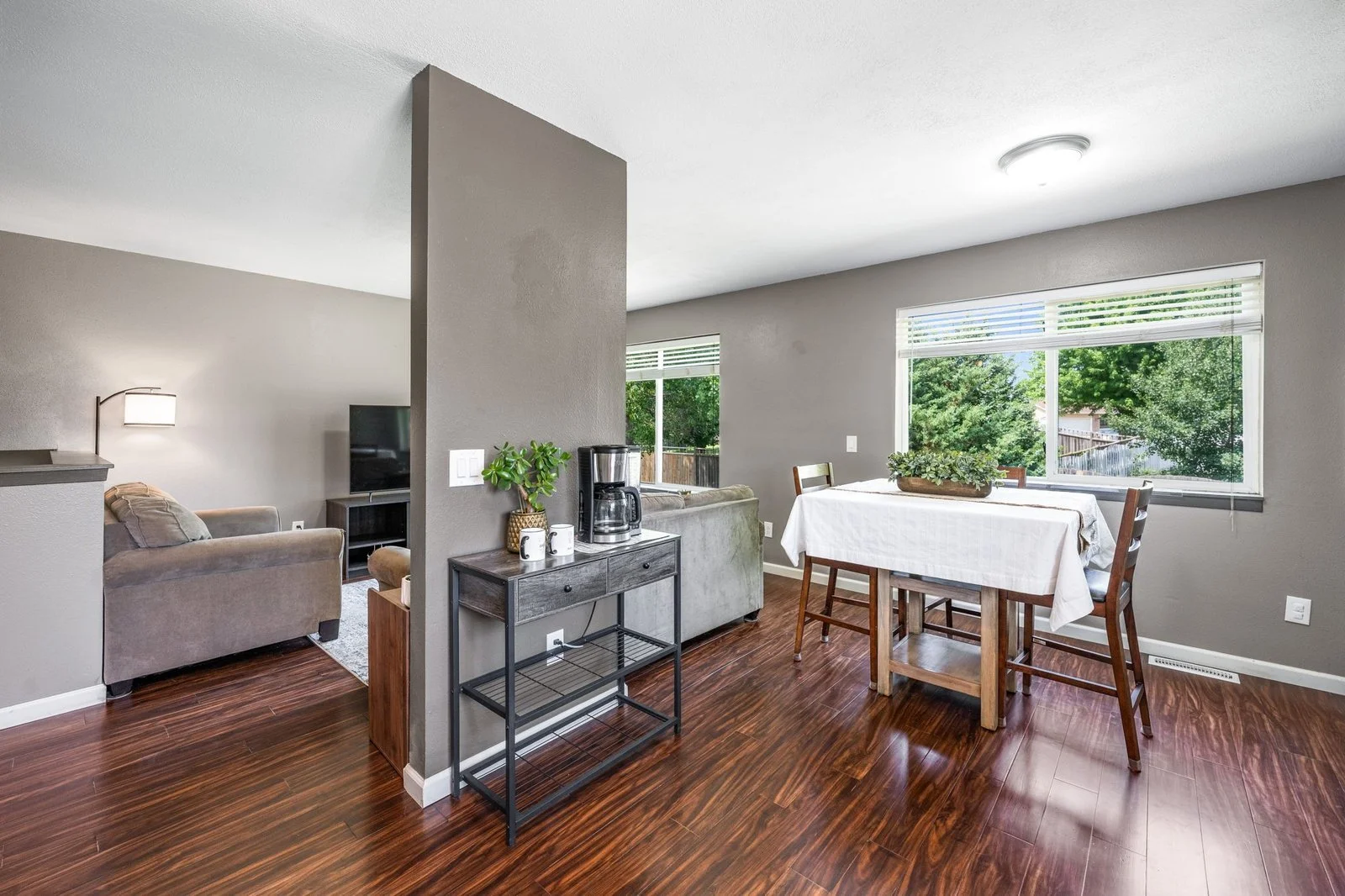
Pricing to sell does not mean underpricing. It means listing right where the evidence says buyers will respond: at or near what comparable homes have actually sold for, adjusted for condition and features.
Why it often works
You capture the attention of buyers in your range during the first few weeks, when interest is highest
More showings can lead to stronger offers and better terms
Your home is compared favorably to the competition, not unfavorably
How I Help You Decide
Step 1: Comparable sales
I pull recent closed sales of similar homes nearby, looking at size, age, condition, lot and style. Closed sales show what buyers have actually paid.
Step 2: Active and pending competition
Active listings are your competition today. Pending listings show what is moving. If several similar homes are sitting, that tells us something. If similar homes are going under contract quickly, that tells us something else.
Step 3: Your home's condition and features
Updates, layout, garage space, basement finish and lot all matter. I am also looking at things a buyer's inspector may flag, so we can price with those in mind instead of being surprised later.
Step 4: Your goals
If you need to sell by a certain date because you are buying or relocating, that matters. If you have flexibility, we have more room to test a price.
A Middle Path
Sometimes the right answer is in between: price at the top of the supported range, launch with strong photos and marketing, and agree in advance on when we will reassess. Setting that checkpoint ahead of time takes the emotion out of the decision.
Price Is Not the Only Lever
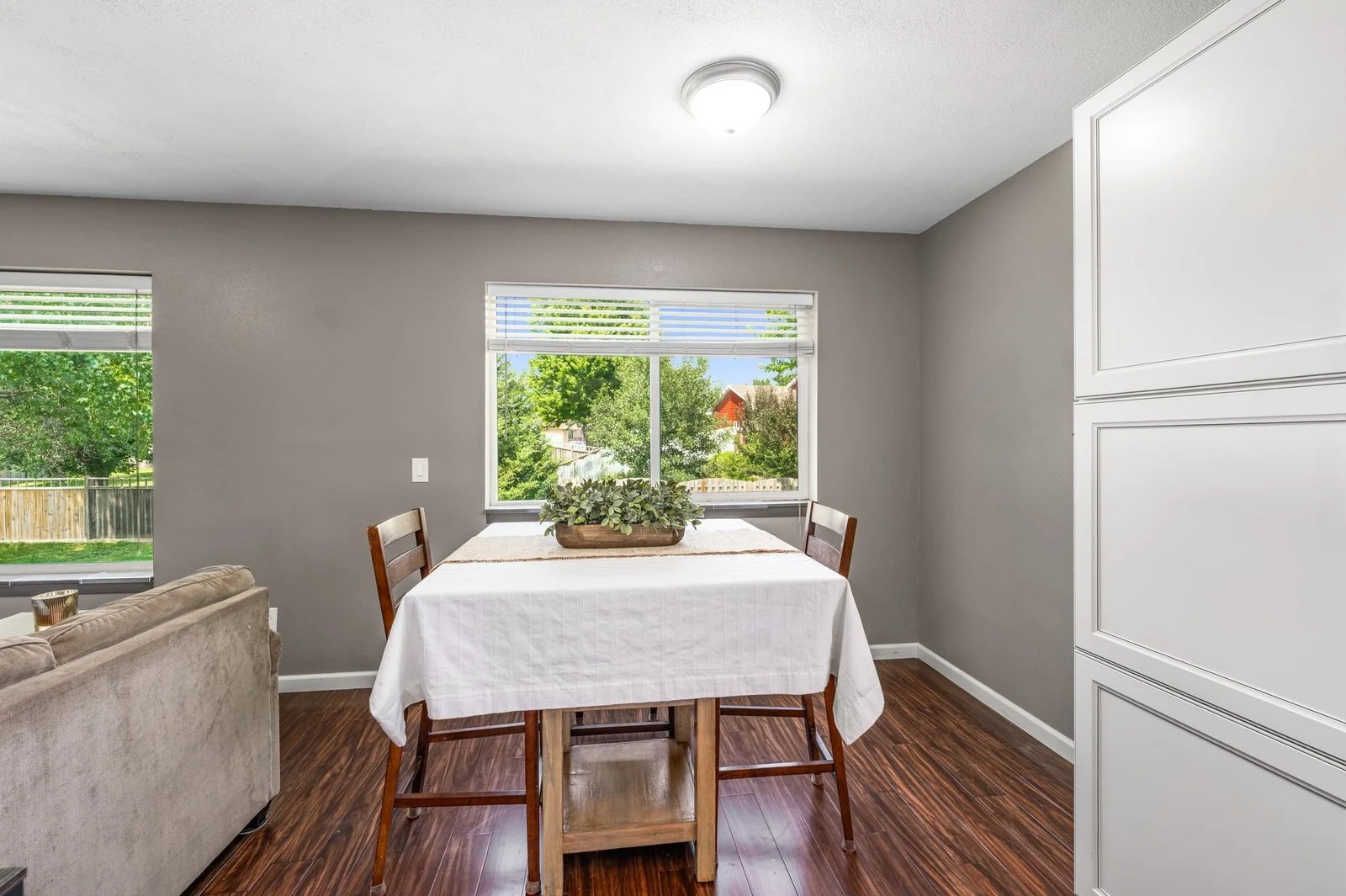
Presentation matters too. A clean, well-lit, well-photographed home can compete at a higher price than a similar home that shows poorly. Small fixes, fresh paint and good staging often deliver more than a higher sticker price.
Questions to Ask Any Agent
What comparable sales did you use, and why?
What is my competition right now?
What happens if we do not get showings in the first two weeks?
How will you market the home in its first week?
Want a Pricing Plan for Your Home?
I would be glad to put together a market analysis for your home and walk you through the options. Visit my selling page to request a free market analysis, or see how I approach luxury listings if your home is in a higher price range.
For the full selling timeline, see my guide to what to expect when you sell your house in Sioux Falls.
Call or text me at 605.999.3522 or email tyler@amystockberger.com.
Tyler Stunes, Amy Stockberger Real Estate. This post is general information, not an appraisal or legal advice.
Sources
General pricing guidance only; no market statistics cited. Comparable sales for any specific home come from the RASE MLS at the time of the analysis.
FHFA House Price Index (national context only, not local comps): https://www.fhfa.gov/data/hpi.